Try this: imagine holding a loved one to the same harsh standards you usually hold yourself to. Be honest with yourself as you do it.
Very often, within the first few minutes, it becomes clear just how harsh and unfair inner criticism can be.
Let’s look at this exercise through an example of a dialogue between a client and a psychologist:


More content in our app
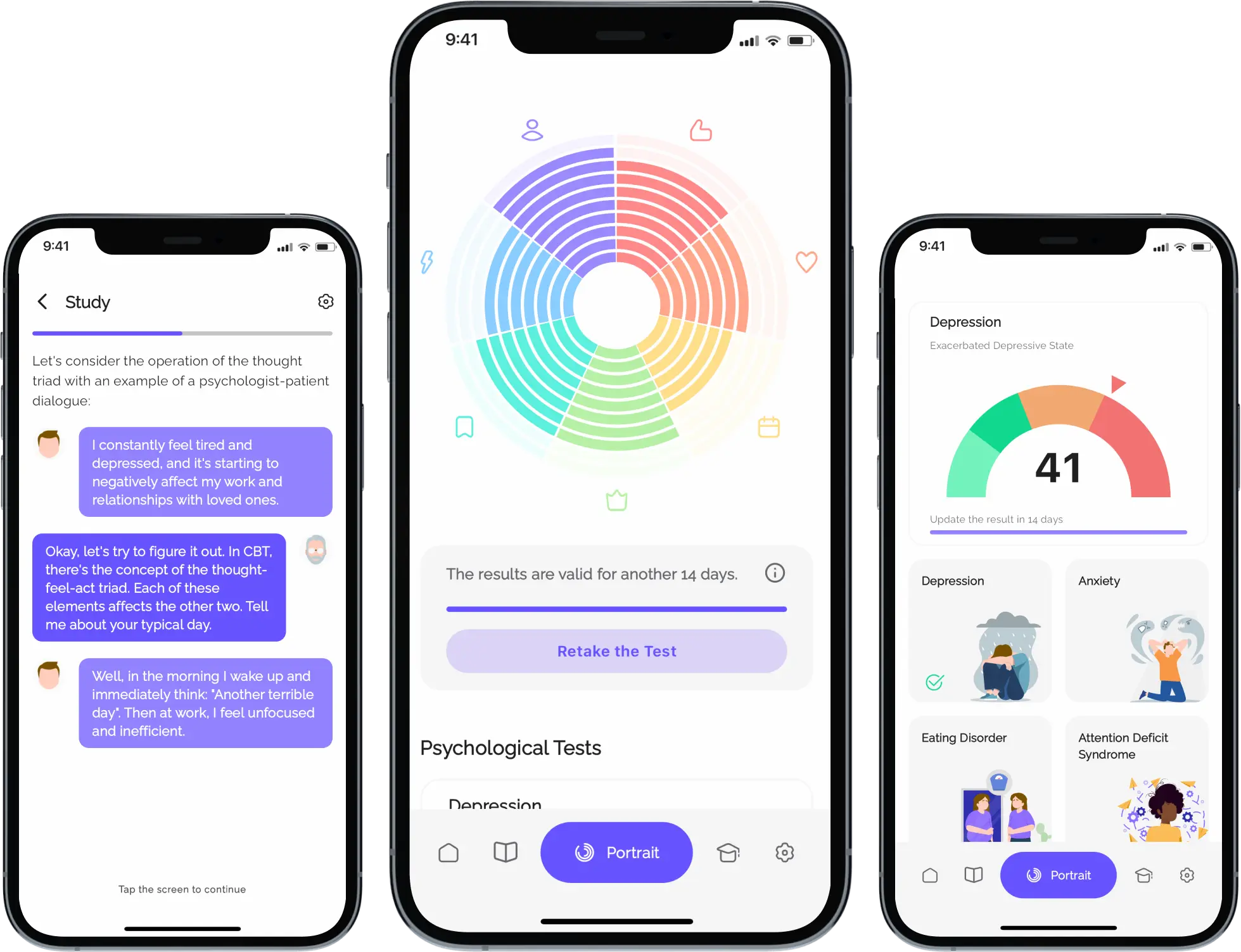
You're only seeing a portion of the content. In the app, you'll find numerous interactive articles. Additionally, there are psychological tests to track your mood dynamics, a daily planner, an automatic thought journal, and much more!






After this role-play, Dmitry said it was incredibly difficult to say those things to someone close to him. He realized that in real life, he would never treat someone that way—yet he did it to himself constantly.

Talk to yourself the way you would talk to someone you love.
Brené Brown
Interesting, isn’t it? Things we find almost impossible to say to others, we sometimes say to ourselves quite easily.
We often show patience, gentleness, and understanding to others—and completely forget to show them to ourselves.
Try to let go of double standards. You also deserve respect, support, and kindness.
Remember: healthy self-esteem is a key foundation for your motivation, goals, and life energy.
When self-esteem is low, we underestimate our abilities, almost as if we are denying ourselves the right to be happy.
Start gradually changing how you treat yourself: acknowledge small wins, allow yourself to be human, to make mistakes, and to learn. Small steps lead to big changes.